20 June 2026 · Emily Carter
Why Vintage Ads Still Resonate With Modern Audiences
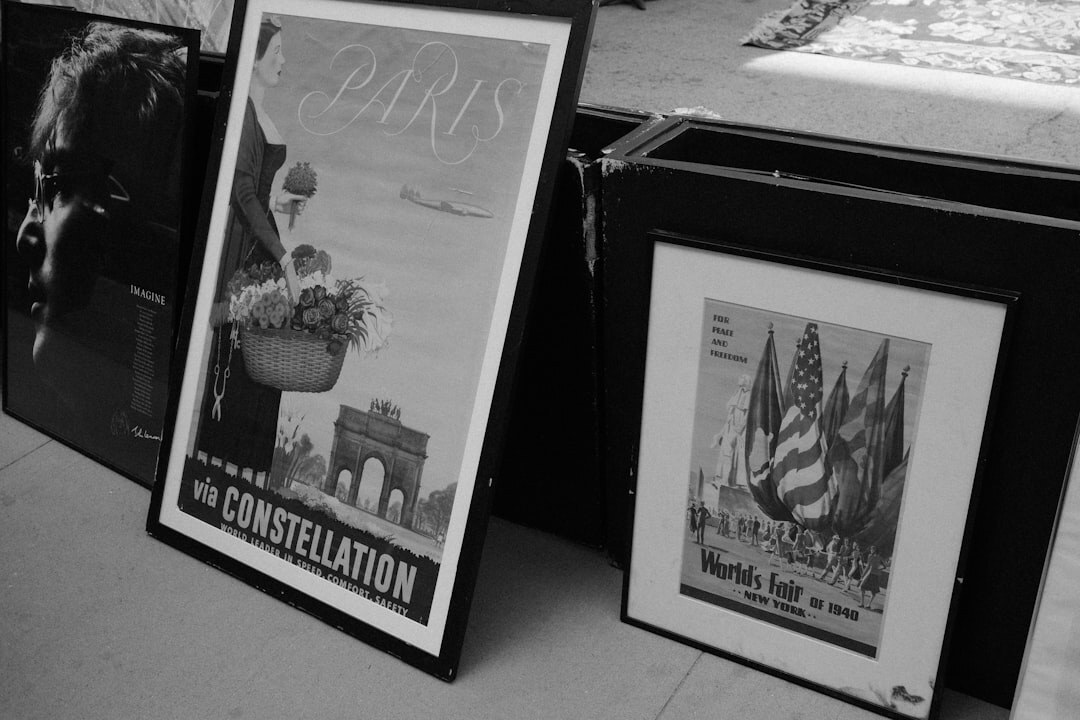
In a world saturated with flashy digital campaigns and algorithm-driven content, vintage ads from decades past hold a surprising power. They draw us in not through high-tech effects but through authentic storytelling and a sense of nostalgia that feels both familiar and fresh. At starglowry.com, where we dive deep into the archives of advertising history, these old gems reveal why they still strike a chord with people scrolling through their feeds today.
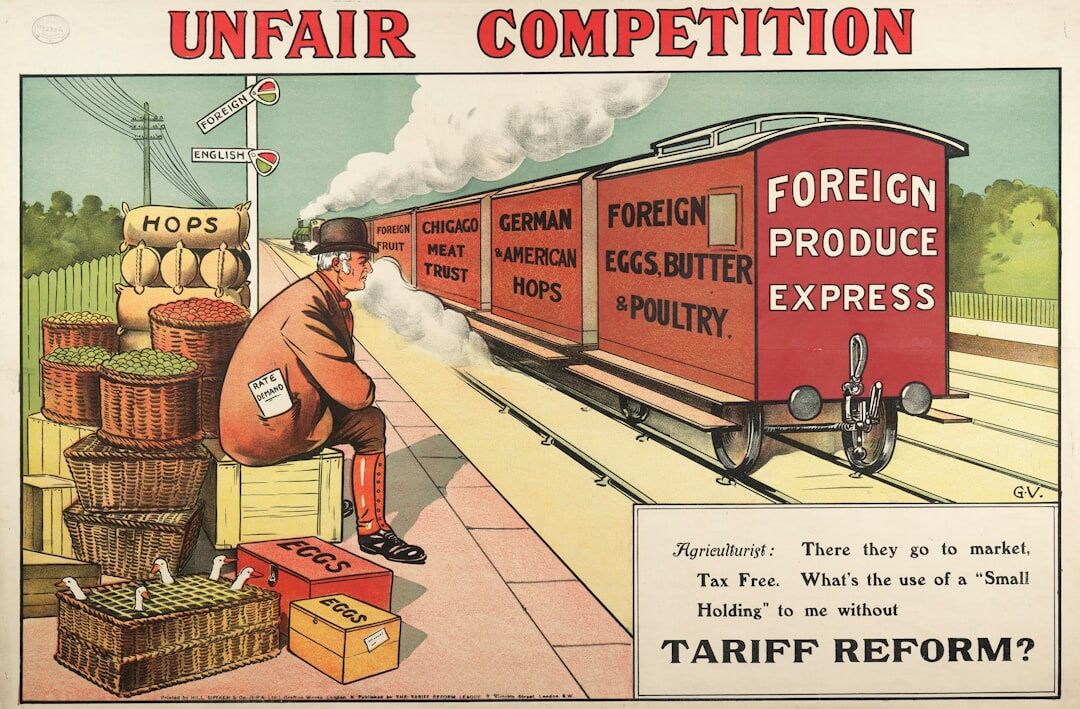
One reason vintage ads endure is their simplicity. Back in the 1950s or 1960s, commercials and print pieces relied on straightforward messages without the clutter of pop-ups or endless data tracking. A single bold image paired with clever copy could sell a product by tapping into universal desires like family togetherness or personal success. Modern audiences, tired of complex narratives in today's ads, appreciate this direct approach that lets the idea breathe.
The Pull of Nostalgia
Nostalgia plays a huge role here. Many viewers grew up seeing reruns of these ads or hearing stories from parents about life in earlier times. When a classic Coca-Cola billboard or a 1970s car commercial pops up online, it sparks memories that feel warm and comforting. This emotional connection goes beyond the product itself, creating a bond that contemporary marketing often struggles to replicate in our fast-paced environment.
Storytelling That Stands Out
Vintage ads excelled at weaving tales. Whether it was a housewife discovering the wonders of a new detergent or a family embarking on a road trip in a reliable vehicle, the focus was on relatable human experiences. Today, with attention spans shortened by social media, these stories offer a refreshing pause. They remind us that effective advertising does not need to shout but can whisper through genuine scenarios that mirror our own lives.
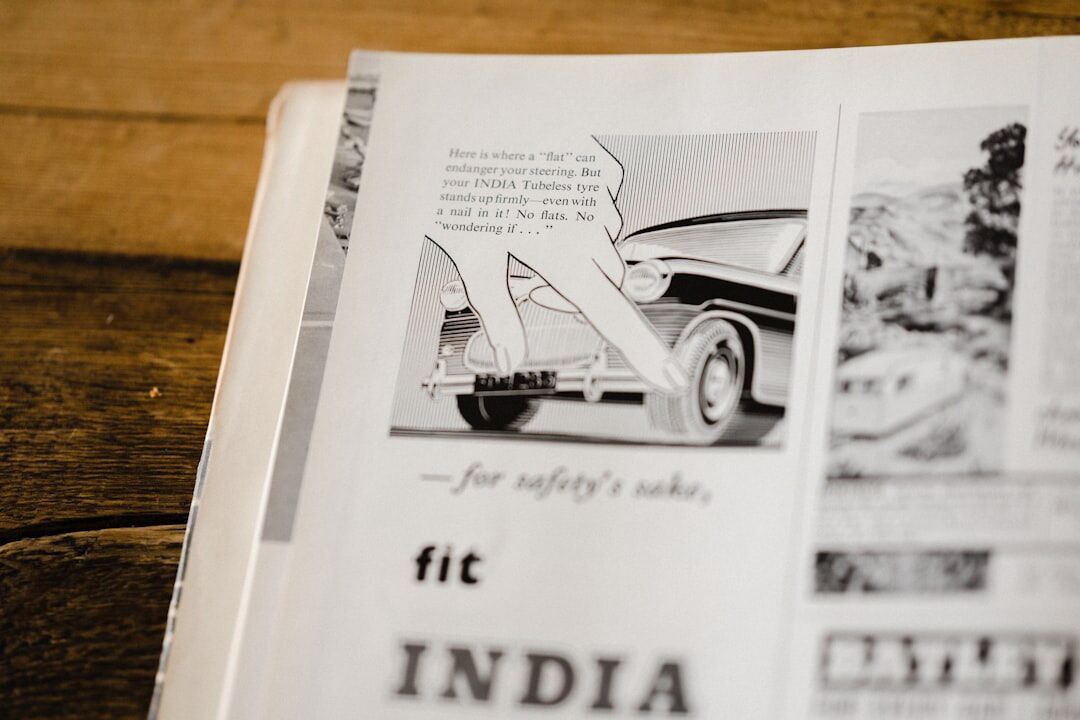
Another factor is the cultural snapshot they provide. Vintage ads reflect the values, fashions, and social norms of their era, offering a window into history that feels educational yet entertaining. For instance, ads promoting household appliances in the post-war boom era highlight shifts in gender roles and consumer culture. Modern viewers enjoy dissecting these layers, using them as conversation starters or even inspiration for current creative work.
Contrast With Today's Overload
Compared to the barrage of personalized ads we encounter online, vintage pieces feel honest and unpretentious. There is no hidden tracking or intrusive retargeting; just pure creative expression aimed at broad appeal. This authenticity resonates especially with younger generations seeking alternatives to what they see as manipulative digital tactics. Brands that incorporate vintage styles often see success because they tap into this desire for something real.
These old ads remind us that great ideas transcend time, connecting past and present through shared human emotions.
Lists of favorite vintage campaigns often circulate on social platforms, proving their ongoing popularity. People share them not just for laughs at outdated styles but for the clever wordplay and visual innovation that still holds up. From the elegant illustrations of the 1920s to the bold graphics of the 1980s, each decade brings unique flair that sparks creativity in new ad makers.
Lessons for Contemporary Marketers
Studying these ads teaches valuable lessons about enduring principles like emotional resonance and visual clarity. At starglowry.com we catalog many examples that show how restraint in design can lead to stronger impact. By learning from the past, today's advertisers can craft campaigns that avoid the pitfalls of overload and instead focus on memorable moments.

Ultimately, vintage ads continue to resonate because they capture timeless truths about desire, humor, and aspiration. In an age of constant change, their steady charm offers a comforting anchor, inviting us to slow down and appreciate the art of persuasion from a simpler time.
What readers say
“The detail on production logistics is something I have not found anywhere else. It reads like it was written by people who were actually on set.”
Harriet Voss
Former agency producer
“I use their case studies when teaching. The breakdown of edit pacing and music licensing decisions makes abstract craft concrete for students.”
Thomas Neale
Lecturer in media production
“A rare publication that treats advertising history as a subject worth taking seriously, without losing the sense of fun that made the work memorable.”
Adaeze Okonkwo
Brand historian