10 July 2026 · Michael Reynolds
The Untold Stories Behind Classic Advertising Campaigns
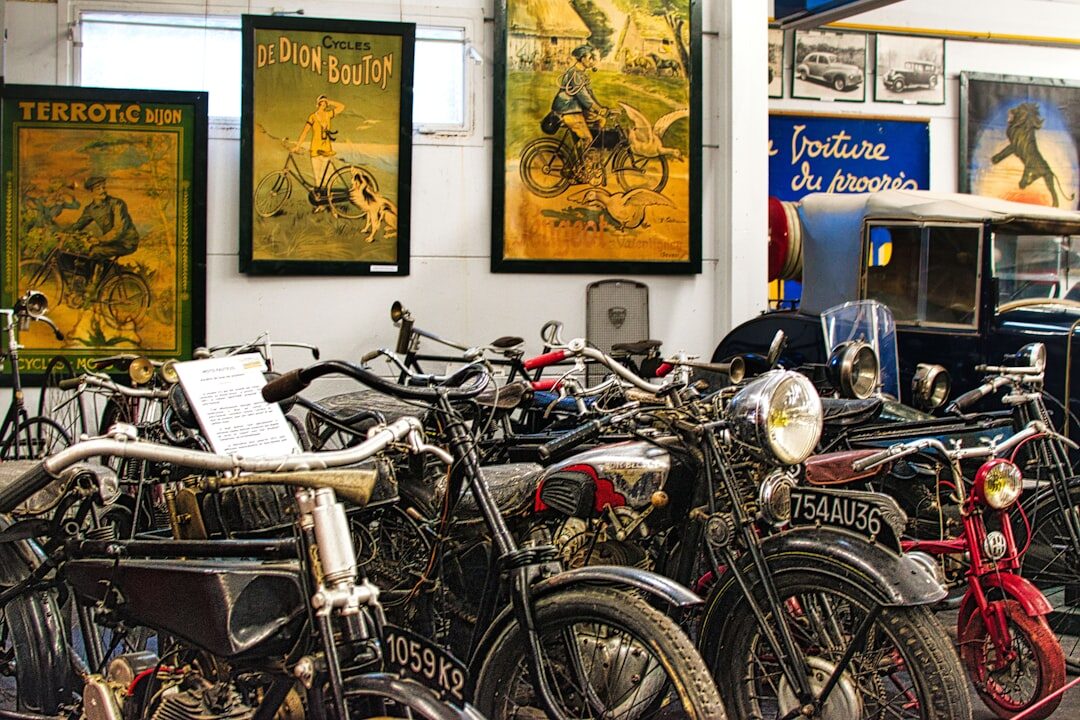
Advertising has always been more than just selling products. It shapes how we see the world, and some campaigns have left marks that last decades. Behind the polished images and catchy slogans lie stories of risk, failure, and unexpected breakthroughs that few people ever hear about.
The Volkswagen Beetle and the Power of Simplicity
In the late 1950s, Volkswagen faced a tough challenge in the American market. The Beetle was small, odd-looking, and carried heavy associations from its German origins. Most agencies wanted to hide these traits, but one creative team took the opposite approach. They embraced the car's flaws with the famous Think Small campaign. What started as a risky bet turned into a masterclass in honest advertising. The ads featured the car in vast white space with minimal text, a bold move that stood out amid flashy competitors.

Overcoming Internal Doubts
The team behind the campaign had to fight hard for approval. Executives worried the minimalist style would flop, yet testing showed it resonated deeply with a new generation tired of exaggeration. This shift not only boosted sales but also changed how agencies approached consumer trust.
Apple's 1984 and the Birth of Event Advertising
When Apple launched its Macintosh in 1984, the company needed more than a product demo. They turned to Ridley Scott for a cinematic ad that aired only once during the Super Bowl. The spot drew from dystopian themes and positioned the computer as a tool of rebellion. What many do not know is how close the project came to being canceled due to budget overruns and creative clashes.
The director pushed for dramatic visuals that executives feared would confuse viewers. In the end, the single broadcast created cultural ripples far beyond technology sales, proving that timing and storytelling could eclipse traditional media buys.

The Marlboro Man and Reinventing an Image
The Marlboro brand once targeted women with filtered cigarettes in pastel packaging. A complete overhaul in the 1950s introduced the rugged cowboy imagery that defined the product for years. The switch came after research revealed men felt the old ads were too feminine. Photographers spent months on location capturing authentic ranch life, and the resulting campaign ran for decades with only minor updates.
The cowboy became more than a character. He represented freedom and toughness in a way that stuck with audiences worldwide.
Yet the team constantly battled complaints from health advocates even in those early years, forcing subtle adjustments to keep the message alive.
Lessons in Longevity
- Consistency matters more than constant reinvention when an icon works.
- Visual storytelling can outlast slogans and jingles.
- Listening to consumer feedback early prevents costly pivots later.

These campaigns remind us that great advertising often comes from tension between creative vision and commercial pressure. The stories behind them show how small decisions can ripple through culture long after the products fade. Today agencies still study these examples for clues on building emotional connections that endure.
Understanding these hidden chapters helps modern marketers appreciate the craft involved. It is not just about the final image but the courage to take unusual paths that define success.
What readers say
“The detail on production logistics is something I have not found anywhere else. It reads like it was written by people who were actually on set.”
Harriet Voss
Former agency producer
“I use their case studies when teaching. The breakdown of edit pacing and music licensing decisions makes abstract craft concrete for students.”
Thomas Neale
Lecturer in media production
“A rare publication that treats advertising history as a subject worth taking seriously, without losing the sense of fun that made the work memorable.”
Adaeze Okonkwo
Brand historian