10 July 2026 · Michael Thompson
How 1950s Commercials Reflected Postwar Optimism
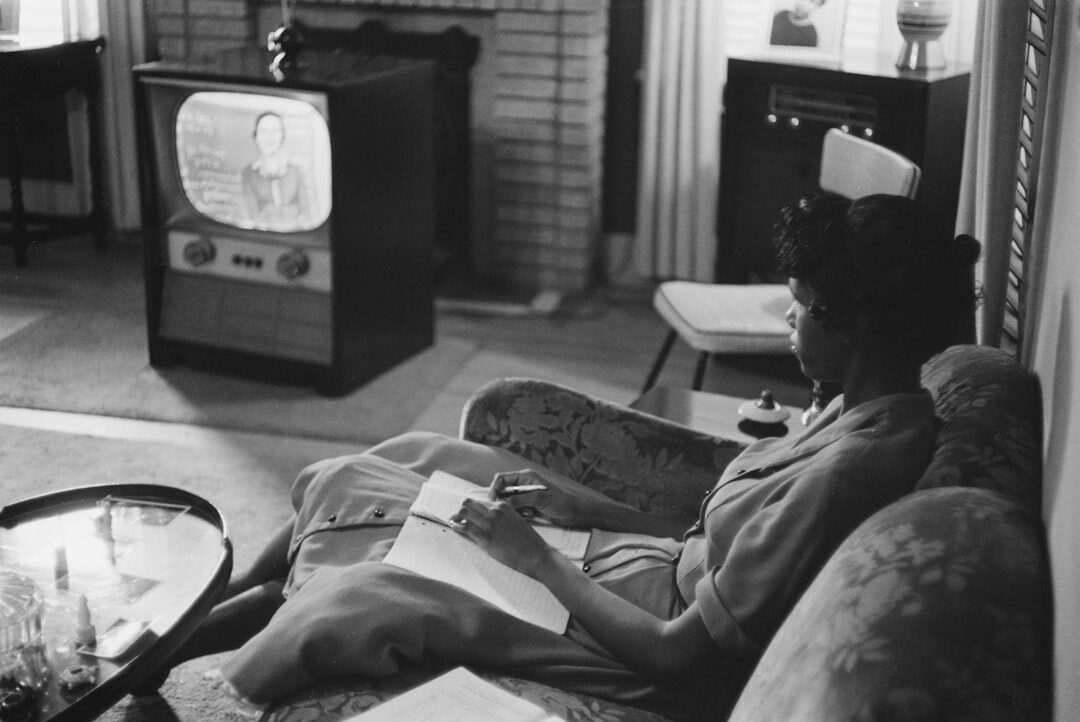
The end of World War II brought a wave of relief and renewed hope across the United States, and nowhere was this shift more visible than in the commercials that filled living room television screens. Families settling into suburban homes looked to these short ads for reassurance that the future held promise, with shiny new products promising comfort and convenience after years of wartime sacrifice.
The Boom in Consumer Spending
Manufacturers quickly pivoted from wartime production to household goods, and commercials became the perfect vehicle to showcase this transition. Scenes of gleaming automobiles rolling down freshly paved roads or refrigerators stocked with fresh produce spoke directly to viewers eager to embrace peacetime abundance. These messages tapped into a collective desire for stability and progress, turning everyday purchases into symbols of national recovery.

One striking example appeared in ads for kitchen appliances. A typical spot might show a smiling woman opening her new oven to reveal a perfectly baked cake, while her husband and children gathered around in admiration. The narration often emphasized how such devices freed up time for family moments, reinforcing the idea that technology could strengthen domestic bonds rather than disrupt them.
Idealized Family Portrayals
Optimism also shone through in the way commercials painted family life. Fathers came home to well-kept houses filled with the latest conveniences, while mothers managed spotless kitchens with effortless grace. These portrayals offered an aspirational vision that resonated with audiences rebuilding after global conflict. Children in the ads played happily with new toys or enjoyed wholesome meals, suggesting that prosperity extended to the next generation.
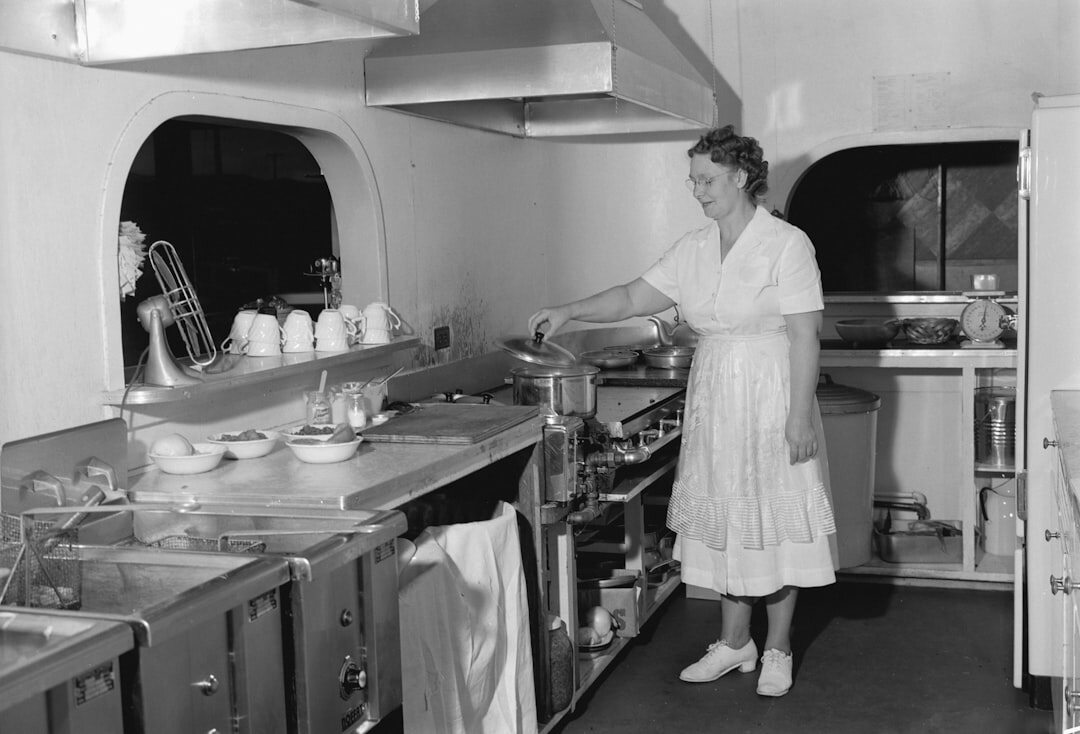
Advertisers understood that viewers craved reassurance. By showing products solving minor household dilemmas with ease, the spots implied that bigger challenges could also be overcome. This subtle storytelling helped cement consumer goods as essential ingredients in the pursuit of happiness.
Color, Music, and Emotional Appeal
Technical advances in broadcasting allowed commercials to burst with bright colors and upbeat jingles. A detergent ad might feature lively music as suds magically lifted stains from clothing, ending with a family enjoying a picnic in the backyard. Such elements created an infectious sense of joy that mirrored the broader cultural mood of the decade.
These commercials did more than sell soap or cars. They sold a vision of America where hard work led directly to comfort and community.
Brands like those promoting soft drinks often centered their spots around gatherings of friends and neighbors. Laughter and shared moments around a bottle conveyed unity and celebration, themes that felt especially meaningful after the divisions of war.

Legacy of Postwar Messaging
Looking back, these commercials reveal how deeply advertising shaped public hopes. They turned the promise of economic growth into tangible images that viewers could aspire to in their own lives. Even today, the cheerful tone and focus on togetherness continue to influence how we think about consumer culture and the American dream.

Ultimately, the commercials of the 1950s served as both mirror and motivator. They reflected the optimism of a nation moving forward while encouraging people to participate in that progress through everyday choices at the store.
What readers say
“The detail on production logistics is something I have not found anywhere else. It reads like it was written by people who were actually on set.”
Harriet Voss
Former agency producer
“I use their case studies when teaching. The breakdown of edit pacing and music licensing decisions makes abstract craft concrete for students.”
Thomas Neale
Lecturer in media production
“A rare publication that treats advertising history as a subject worth taking seriously, without losing the sense of fun that made the work memorable.”
Adaeze Okonkwo
Brand historian