22 July 2026 · Eleanor Vance
Forgotten Radio Ads That Revolutionized Marketing
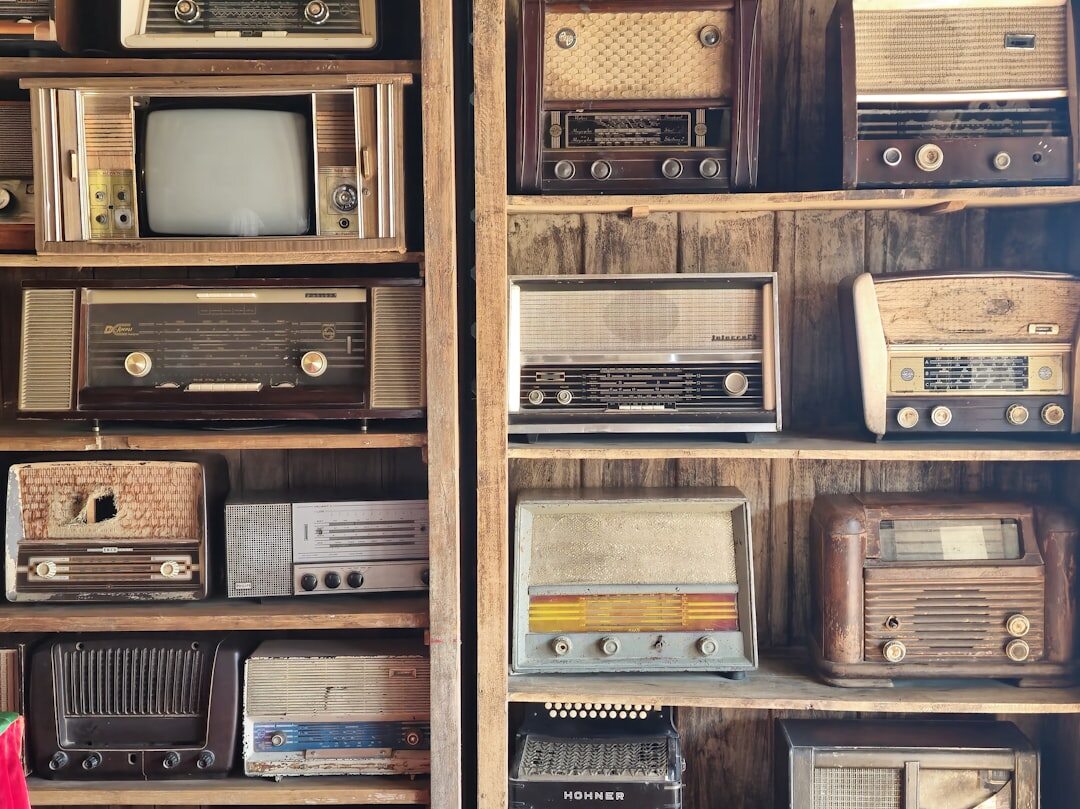
Back in the 1920s when radio first entered American homes, few imagined it would become the birthplace of modern marketing. Sponsors quickly realized that spoken words over the airwaves could sell products far more effectively than print ever had. Early advertisers experimented with jingles, storytelling, and celebrity endorsements, laying groundwork that still influences campaigns today.
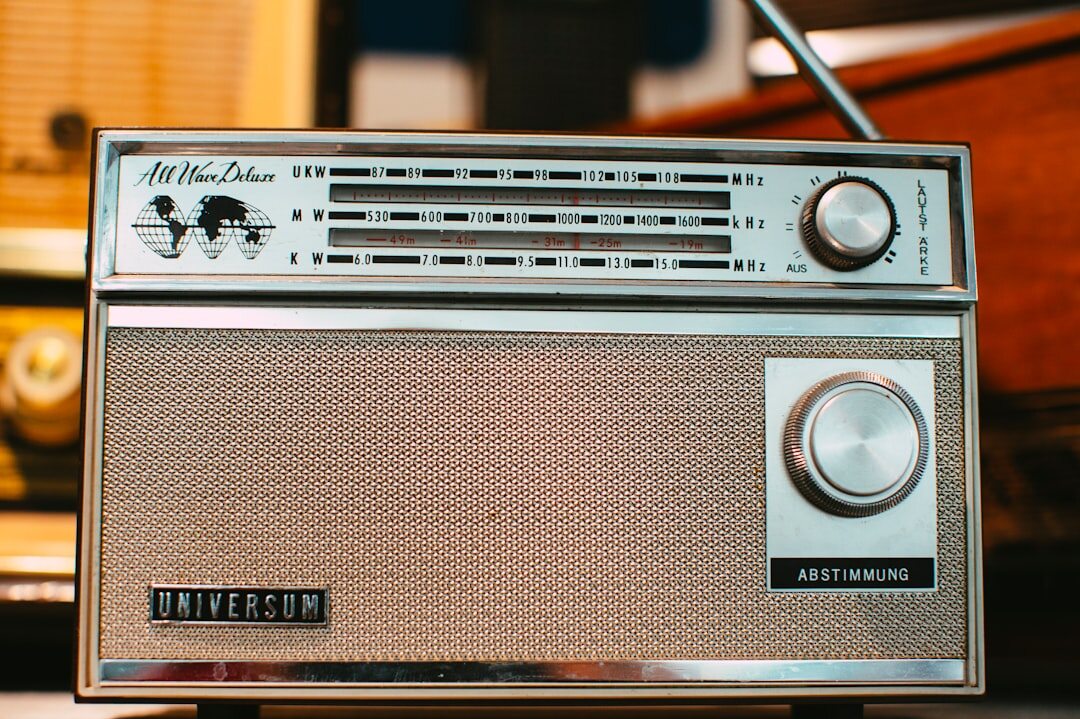
One standout example came from the soap companies that sponsored daytime dramas. These shows, later dubbed soap operas, blended entertainment with subtle product placement. Listeners tuned in daily, forming emotional connections that translated into brand loyalty. The format proved so successful that it migrated to television decades later.
Early Jingles That Stuck
Before television visuals dominated, audio hooks did the heavy lifting. A memorable jingle for a cereal brand in the 1930s used simple rhymes and repetition to embed itself in listeners' minds. Families sang along at breakfast tables, turning passive consumers into active promoters without any extra effort from the company.
These audio signatures proved more enduring than many visual logos of the era.
Another forgotten campaign involved a tobacco brand that sponsored news broadcasts. By associating their product with trusted voices delivering important updates, the company built an aura of reliability. This strategy foreshadowed today's influencer partnerships where credibility transfers from messenger to product.
Storytelling Over Hard Sell
Radio forced advertisers to paint pictures with sound alone. A popular coffee campaign from the 1940s used dramatic sound effects and serialized stories rather than direct pitches. Listeners followed along with fictional characters who enjoyed the brew, creating desire through narrative instead of facts and figures.
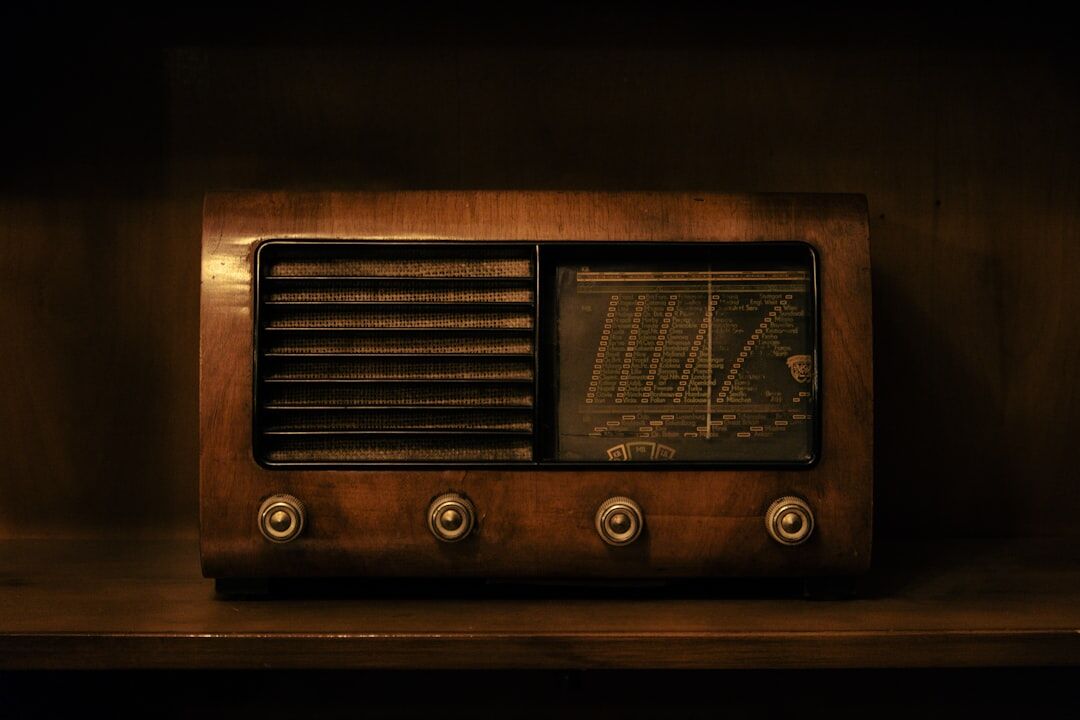
This approach reduced resistance because audiences felt entertained rather than sold to. Modern content marketing owes much to these pioneers who understood engagement came before conversion.
Lessons Still Relevant
Many techniques refined during radio's peak remain powerful. Repetition builds familiarity, emotional connection drives preference, and trusted voices lend authority. Companies today rediscover these truths through podcasts and audio streaming, essentially updating the same playbook for new technology.
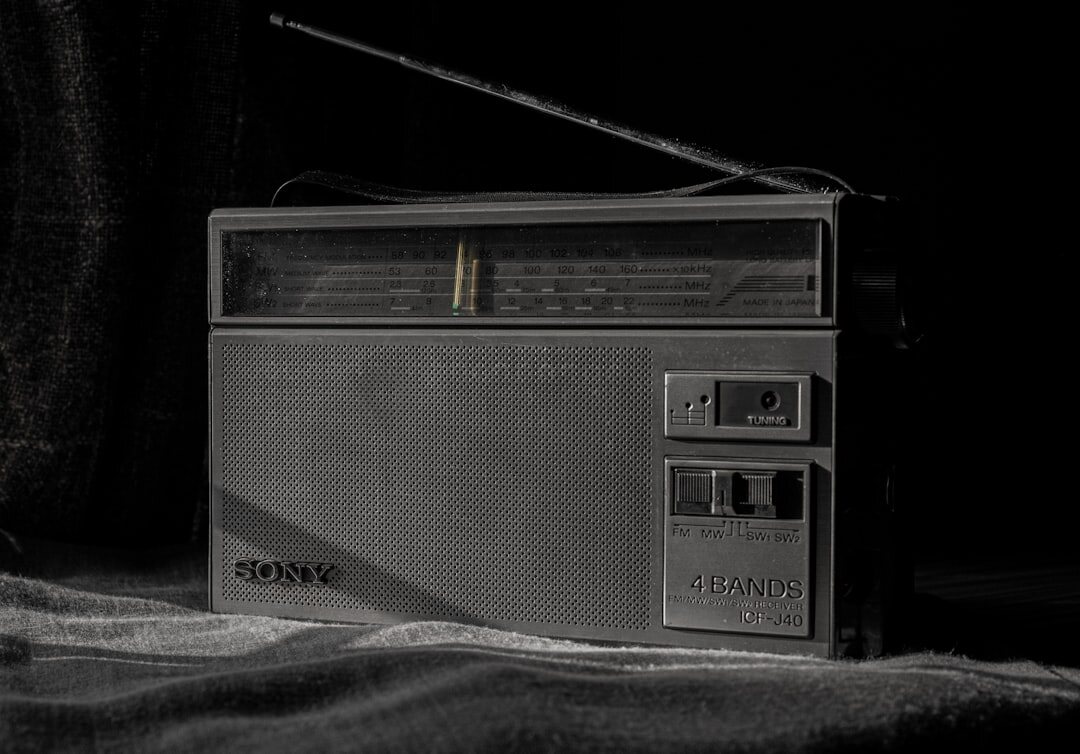
The forgotten radio ads remind us that innovation often builds on what came before. By studying these early experiments, marketers can avoid reinventing wheels and instead refine proven methods for contemporary audiences.
What readers say
“The detail on production logistics is something I have not found anywhere else. It reads like it was written by people who were actually on set.”
Harriet Voss
Former agency producer
“I use their case studies when teaching. The breakdown of edit pacing and music licensing decisions makes abstract craft concrete for students.”
Thomas Neale
Lecturer in media production
“A rare publication that treats advertising history as a subject worth taking seriously, without losing the sense of fun that made the work memorable.”
Adaeze Okonkwo
Brand historian