15 July 2026 · Michael Thompson
Exploring the Birth of Brand Mascots in Early 20th Century
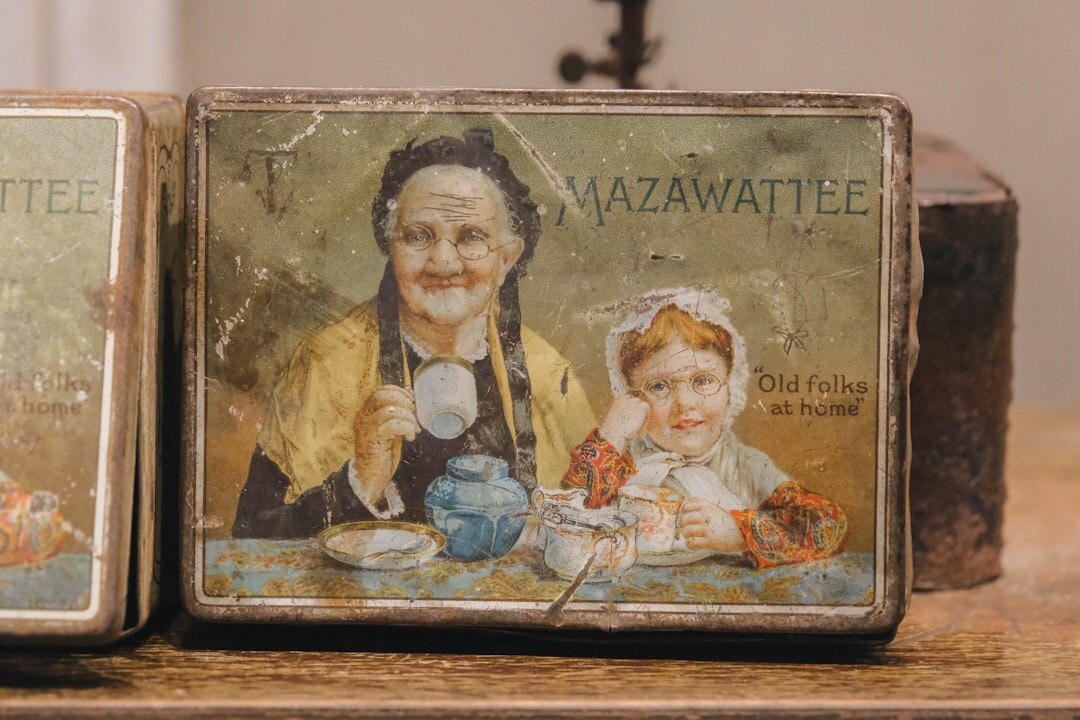
The early twentieth century marked a turning point in how companies reached everyday shoppers. As mass production grew and store shelves filled with similar goods, brands needed something more than just a name or logo to stand out. This is when the idea of brand mascots took hold, turning abstract products into friendly faces that people could remember and trust.

The Rise of the First Mascots
Before 1900, most advertising relied on text and simple drawings. But by the 1910s and 1920s, companies began creating characters that could appear in print ads, on packaging, and even in store displays. These mascots gave a human touch to items like tires, peanuts, and cleaning supplies. They helped families feel a connection, especially as radio and magazines spread messages farther than ever before.
One standout example came from the tire industry. A round figure made of stacked tires appeared in French ads around 1898 and soon crossed into American markets. He became known for his cheerful personality and helped turn a practical product into something approachable. Similar ideas followed quickly in other sectors.
Key Examples from the Era
- A peanut character dressed in formal wear debuted in 1916 and quickly became a symbol of quality snacks.
- A smiling sun figure promoted a popular soap brand starting in the late 1910s, emphasizing cleanliness with a warm, inviting look.
- A mustached man in a top hat represented a leading cereal company and appeared in countless print campaigns throughout the 1920s.

Why Mascots Worked So Well
These characters succeeded because they created stories. Instead of listing features, ads showed the mascot solving problems or enjoying life. This approach made messages easier to recall during shopping trips. Families began asking for products by the mascot's name rather than the company name alone.
These figures turned ordinary goods into trusted companions on the kitchen table or in the garage.
Designers kept the illustrations simple so they reproduced well in black and white newspapers. Bold outlines and expressive faces helped them stand out even when printed small. Over time, the same characters appeared on billboards and in early animated shorts, extending their reach further.
Long Term Impact
Many of these early mascots continued evolving through the decades. Their original traits stayed consistent, which built lasting recognition. Modern brands still study these pioneers when creating new characters, proving that the foundation laid in the early 1900s remains strong today.
By the close of the 1920s, mascots had become a standard tool in every advertiser's kit. They bridged the gap between factory and home, making commerce feel a little more personal in an age of rapid change.
What readers say
“The detail on production logistics is something I have not found anywhere else. It reads like it was written by people who were actually on set.”
Harriet Voss
Former agency producer
“I use their case studies when teaching. The breakdown of edit pacing and music licensing decisions makes abstract craft concrete for students.”
Thomas Neale
Lecturer in media production
“A rare publication that treats advertising history as a subject worth taking seriously, without losing the sense of fun that made the work memorable.”
Adaeze Okonkwo
Brand historian